Educational information, not medical advice. Drafted with AI from the sources cited and reviewed before publishing. How we work.
Saw palmetto became the best-selling herbal supplement for men in the United States by the early 2000s — at its peak, Americans spent over $100 million annually on it for prostate health. The mechanism seemed credible: the berry extract inhibits 5-alpha reductase, the same enzyme that converts testosterone to DHT and drives both benign prostate enlargement and androgenic hair loss. Pharmaceutical 5-alpha reductase inhibitors like finasteride work. Saw palmetto shares the mechanism. The market extrapolation followed logically.
Then in 2011, the CAMUS trial — the largest, most rigorous clinical trial ever conducted on saw palmetto — found that escalating doses of standardized saw palmetto extract produced no statistically significant improvement over placebo in men with lower urinary tract symptoms. The supplement industry continued selling it. Men over 40 continued buying it.
If you're a man over 40 weighing saw palmetto for prostate health or testosterone support, the short answer is: at standard doses, it does not raise serum testosterone. The hormonal picture is more nuanced than either the marketing or the negative trial suggests. Saw palmetto does interact with the testosterone-DHT conversion pathway. The question is whether that interaction produces meaningful changes in serum hormone levels — and for men focused on testosterone rather than prostate symptom scores, the evidence leads somewhere different than the prostate literature suggests.
In this article:
- What saw palmetto is
- How 5-alpha reductase inhibition affects testosterone
- The prostate evidence: what CAMUS actually found
- Saw palmetto and serum testosterone levels
- Intraprostatic DHT vs. serum DHT
- Saw palmetto and hair loss
- The anti-androgenic caution
- Who might benefit
- Dosage and standardization
- How it fits into a testosterone protocol
- FAQ
Key Takeaways
| Finding | Source |
|---|---|
| Saw palmetto inhibits 5-alpha reductase types I and II in vitro, reducing DHT conversion | Multiple in vitro studies |
| Standard doses (320 mg/day) showed no benefit vs. placebo for urinary symptoms in the CAMUS trial | Barry et al., NEJM, 2011 |
| Serum testosterone and DHT levels unchanged in 6-month RCTs at standard doses | Marks et al., Urology, 2000 |
| Intraprostatic DHT reduced by 32% in one tissue biopsy study at standard doses | Marks et al., Urology, 2000 |
| High-dose saw palmetto (≥320 mg) shows potential anti-androgenic receptor binding effects | In vitro; clinical significance unclear |
| Small RCTs suggest modest hair loss benefit comparable to low-dose finasteride | Prager et al., J Altern Complement Med, 2002 |
| No significant effect on SHBG in existing studies | Multiple trials |
| Men on 5-alpha reductase inhibiting drugs (finasteride, dutasteride) should not combine with saw palmetto | Additive mechanism |
What Saw Palmetto Is
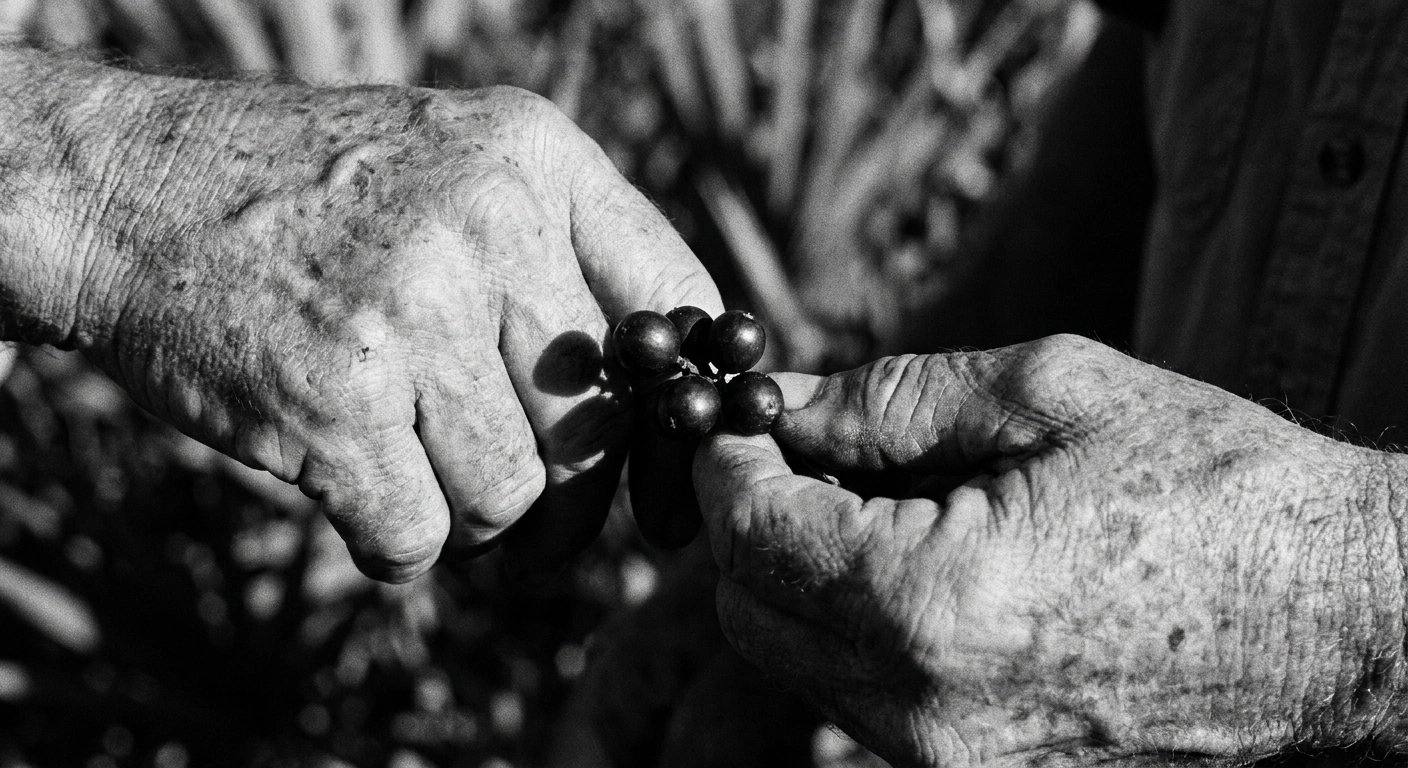
Saw palmetto (Serenoa repens) is a low-growing palm native to the coastal plain of the southeastern United States, particularly Florida, Georgia, and the Carolinas. The plant produces dark red-black berries that Native American tribes — particularly the Seminole — used as food and medicine for urinary and reproductive conditions. Florida remains the primary commercial source of the berries used in modern supplements.
Standardized saw palmetto supplements use a lipid-soluble extract from the dried ripe berry, typically standardized to 85 to 95% fatty acids and sterols. The fatty acid fraction — primarily oleic acid, lauric acid, and myristic acid — carries the active lipid-soluble compounds believed responsible for the biological effects. Whole berry preparations and water-based extracts do not carry the same bioactive content and have weaker clinical evidence.
The primary compounds of interest are the free fatty acids and phytosterols (beta-sitosterol, campesterol, stigmasterol), which collectively inhibit 5-alpha reductase and demonstrate anti-inflammatory and weak anti-androgenic activity in cell studies. Unlike most of the testosterone supplement series previously covered — ashwagandha, tongkat ali, fenugreek — saw palmetto does not claim to raise testosterone. Its mechanism runs through DHT modulation and prostate tissue effects.
How 5-Alpha Reductase Inhibition Affects Testosterone
5-Alpha reductase (5AR) converts testosterone to dihydrotestosterone (DHT) in prostate, skin, hair follicles, and other peripheral tissues. DHT binds the androgen receptor with approximately three times the affinity of testosterone and five times the potency. It drives prostate growth (both normal development and pathological enlargement) and androgenic alopecia in genetically susceptible men.
Two isoforms of 5-alpha reductase are clinically relevant:
- Type I: Predominant in skin and liver
- Type II: Predominant in prostate, seminal vesicles, and scalp
Finasteride inhibits primarily Type II; dutasteride inhibits both. Saw palmetto extract inhibits both isoforms in vitro, though with substantially lower potency than pharmaceutical inhibitors.
| 5AR Inhibitor | Type I inhibition | Type II inhibition | Serum DHT reduction |
|---|---|---|---|
| Dutasteride (prescription) | Strong | Strong | 90-95% |
| Finasteride (prescription) | Weak | Strong | 65-70% |
| Saw palmetto extract | Moderate (in vitro) | Moderate (in vitro) | 0-10% (clinical evidence) |
The testosterone implication of 5AR inhibition: when less testosterone converts to DHT, total testosterone and free testosterone potentially rise because the conversion pathway is partially blocked. Pharmaceutical 5AR inhibitors reliably increase serum testosterone by 10 to 20%. If saw palmetto produces the same effect at a smaller magnitude, serum testosterone could show a modest increase.
The clinical data on whether saw palmetto actually achieves this in blood — rather than in cell preparations — is the central question for men over 40.
The Prostate Evidence: What CAMUS Actually Found
The Complementary and Alternative Medicine for Urological Symptoms (CAMUS) trial, published in the New England Journal of Medicine in 2011 by Barry and colleagues, tested escalating doses of a standardized saw palmetto extract in 369 men with moderate-to-severe lower urinary tract symptoms.
The design was rigorous: randomized, double-blind, placebo-controlled. Doses escalated from 320 mg to 640 mg to 960 mg daily over 72 weeks. The primary endpoint was the American Urological Association Symptom Index (AUASI). Result: no statistically significant difference between saw palmetto and placebo at any dose. Serum PSA, maximum urinary flow rate, and prostate size also showed no significant group differences.
This contradicted earlier smaller trials that had found modest benefit. The discrepancy is partially explained by trial design: earlier positive trials were shorter, used different extracts, and lacked adequate placebo controls. CAMUS used a well-characterized commercial extract (Prosta-Urgenin Uno) with confirmed fatty acid content — not a substandard product.
The earlier Cochrane meta-analysis on saw palmetto for BPH, published before CAMUS, found modest improvements in urinary flow and symptom scores across pooled studies. The post-CAMUS literature shifted the consensus toward no clinically meaningful benefit at standard doses.
| Trial | Dose | Duration | Outcome for urinary symptoms |
|---|---|---|---|
| Barry et al. (CAMUS), NEJM 2011 | 320–960 mg | 72 weeks | No benefit vs. placebo |
| Wilt et al., Cochrane Review | Various | Meta-analysis | Modest benefit (pre-CAMUS data) |
| Gerber et al., Urology 1998 | 320 mg | 6 months | Modest symptom improvement |
| Debruyne et al., Eur Urol 2002 | 320 mg | 1 year | Non-inferior to tamsulosin for symptoms |
For men with enlarged prostate symptoms, the honest position post-CAMUS is that saw palmetto's prostate benefit is modest at best and may be placebo at standard doses. This directly affects how to interpret the hormonal data: a compound that doesn't demonstrably shrink or relax the prostate despite the 5AR mechanism may not be inhibiting 5AR in clinically relevant tissues to a clinically relevant degree.
Saw Palmetto and Serum Testosterone Levels
The most informative hormonal study on saw palmetto remains the Marks et al. 2000 study in Urology, which measured serum testosterone, DHT, and SHBG in men receiving 320 mg daily of saw palmetto extract over 6 months.
Serum testosterone: no significant change. Serum DHT: no significant change. Serum SHBG: no significant change.
The null serum result conflicts with what the 5AR mechanism predicts. If saw palmetto meaningfully inhibited 5-alpha reductase in peripheral tissues, serum DHT would fall (as testosterone diversion toward DHT decreases) and serum testosterone would correspondingly rise. The absence of change in either marker suggests that standard oral saw palmetto doses do not achieve sufficient tissue 5AR inhibition to produce measurable serum hormonal effects.
This pattern mirrors the chrysin bioavailability problem, though the mechanism of failure differs. With chrysin, the compound is metabolized before reaching the target enzyme. With saw palmetto, the lipid-soluble extract may reach tissues but appears to inhibit the enzyme too weakly at achieved tissue concentrations to alter serum hormone ratios.
A smaller 2014 Italian study by Pecoraro et al. in Archives of Italian Urology and Andrology found a modest improvement in the testosterone-to-estradiol ratio in men using a saw palmetto combination product over 8 weeks — but this used a multi-ingredient formula and isolated results are not attributable to saw palmetto alone. No adequately powered, well-designed RCT has demonstrated significant serum testosterone increases from saw palmetto alone.
| Hormone parameter | Effect of saw palmetto at standard doses | Quality of evidence |
|---|---|---|
| Serum total testosterone | No significant change | Moderate (RCT data) |
| Serum DHT | No significant change | Moderate (RCT data) |
| Serum SHBG | No significant change | Moderate (RCT data) |
| Free testosterone | No significant change (inferred) | Limited direct data |
| Intraprostatic DHT | Reduced by ~32% | Single tissue biopsy study |
Intraprostatic DHT vs. Serum DHT
The most striking finding in the Marks 2000 study is the disconnect between serum and tissue: serum DHT did not change, but intraprostatic DHT (measured from tissue biopsies before and after supplementation) fell by 32%. This is not a contradictory result — it reflects compartmentalization of 5AR activity.
The prostate has high 5AR Type II expression and may concentrate the lipid-soluble fatty acid fraction from saw palmetto extract. Local tissue 5AR inhibition can reduce intraprostatic DHT without substantially altering systemic DHT conversion (which occurs throughout peripheral tissues, skin, and liver). The bloodstream does not "see" a significant hormonal change because the inhibition is tissue-specific.
This finding explains why saw palmetto might reduce prostate tissue DHT — a potential mechanism for symptom benefit — without measurably affecting serum testosterone, serum DHT, or free testosterone. For men interested in testosterone optimization rather than prostate tissue DHT specifically, this compartmentalization means saw palmetto is unlikely to produce the serum hormonal shifts they're seeking.
Men with confirmed elevated DHT driving hair loss or prostate enlargement should note this distinction: saw palmetto acts locally where it concentrates, not systemically at the doses that have been studied.
Saw Palmetto and Hair Loss
Androgenic alopecia (male pattern baldness) is driven primarily by DHT's action on hair follicles in the scalp — the same 5AR mechanism that drives prostate enlargement. If saw palmetto inhibits scalp 5AR, it could theoretically slow hair loss similar to low-dose finasteride.
A 2002 randomized study by Prager et al. in the Journal of Alternative and Complementary Medicine tested 200 mg of saw palmetto and 50 mg of beta-sitosterol daily vs. placebo in 26 men with mild to moderate androgenic alopecia over 5 months. 60% of treated men showed improvement versus 11% in the placebo group — a significant difference despite the small sample size.
A larger 2020 comparative study in Journal of the European Academy of Dermatology and Venereology compared saw palmetto (320 mg/day) directly to finasteride (1 mg/day) in androgenic alopecia. Finasteride outperformed saw palmetto, but saw palmetto produced a statistically significant improvement over baseline in hair density, scalp coverage, and patient satisfaction — modest, but measurable.
For men managing DHT-related hair loss who want to avoid finasteride's side effects — which include reduced libido, erectile dysfunction, and persistent sexual dysfunction in a minority of men — saw palmetto represents a lower-potency alternative with a markedly better tolerability profile. The trade-off is efficacy: saw palmetto's hair benefit is real but substantially smaller than finasteride's.
The Anti-Androgenic Caution
At high concentrations in vitro, saw palmetto extract demonstrates binding to androgen receptors — meaning it can compete with testosterone and DHT for receptor occupancy. This anti-androgenic property is documented in cell studies and was originally proposed as part of the BPH mechanism.
The clinical significance at standard oral doses is unclear. No published clinical trial has demonstrated meaningful androgen receptor antagonism in humans at normal supplemented doses. Unlike flutamide or bicalutamide (actual anti-androgen drugs), saw palmetto at 320 to 960 mg does not produce the feminizing effects characteristic of androgen receptor blockade in men.
However, two scenarios warrant caution:
-
Very high doses: Some men use doses above 960 mg daily. At these levels, the receptor-binding data becomes more plausible clinically, though human data is absent.
-
Men with borderline testosterone: Men with already-suppressed testosterone (testosterone levels below 300 ng/dL) who add any compound with potential anti-androgenic activity should monitor their bloodwork. A confirmed downward trend in testosterone after starting saw palmetto warrants discontinuation.
This anti-androgenic property is what distinguishes saw palmetto from supplements like zinc or boron, which support testosterone through deficiency correction without any antagonistic receptor activity.
Who Might Benefit
Men with BPH symptoms and preference for non-pharmaceutical management. CAMUS was negative, but earlier evidence was not uniformly null, and tolerability of saw palmetto is excellent. Men who want to try a conservative approach before alpha-blockers or pharmaceutical 5AR inhibitors, or who find their symptoms mild enough to accept a partial or placebo-mediated response, have a reasonable case for a trial period.
Men with early androgenic alopecia who want to avoid finasteride's side effects. The hair loss evidence is the strongest clinical signal in saw palmetto's data. A 5-month trial at standard doses provides a reasonable assessment of individual response. Hair loss moves slowly; expect 4 to 6 months minimum before evaluating.
Men who want prostate-protective DHT reduction without serum hormonal disruption. The compartmentalization finding — intraprostatic DHT falls without serum testosterone or SHBG changes — may appeal to men concerned about prostate tissue DHT specifically who do not want to reduce serum testosterone.
Men who are already taking it. If you're taking saw palmetto and tolerating it without symptoms or worsening hormone panel results, the evidence does not suggest you need to stop.
Who should be cautious:
- Men on finasteride or dutasteride (additive 5AR inhibition; no benefit from combining)
- Men with confirmed low testosterone who cannot afford any anti-androgenic receptor activity
- Men expecting meaningful serum testosterone increases (the data does not support this)
Dosage and Standardization
The standard clinical dose across BPH trials is 320 mg daily of a lipid-soluble extract standardized to 85 to 95% fatty acids and sterols. This is the dose used in CAMUS and most other well-controlled trials.
Whole berry capsules and water-based extracts do not carry the lipid-soluble fatty acid fraction in adequate quantity and should not be substituted. The standardization statement on the label matters — it defines whether the product contains the compounds tested in the relevant trials.
Twice-daily dosing (160 mg × 2) is an alternative to once-daily 320 mg. Fatty acid absorption may be modestly better with twice-daily dosing taken with food due to the lipid-soluble nature of the active compounds. No trial has directly compared the two dosing patterns.
| Form | Standardization | Evidence status |
|---|---|---|
| Lipid-soluble berry extract | 85-95% fatty acids and sterols | Tested in all major RCTs — use this form |
| Whole berry powder | Not standardized | Limited evidence; lower active compound content |
| Water-based extract | Not lipid-standardized | Lacks the relevant fatty acid fraction |
| Combination formulas | Varies | Confounded; effects not attributable to saw palmetto alone |
Duration: 3 to 6 months provides adequate time to assess prostate symptom response. Hair loss requires 5 to 6 months minimum. Saw palmetto shows no evidence of tolerance development or rebound effect on discontinuation.
Food improves absorption of the lipid-soluble extract. Take it with a meal containing fat.
How It Fits Into a Testosterone Protocol
For testosterone optimization specifically, saw palmetto does not belong in the primary tier.
The supplements with consistent clinical evidence for raising serum testosterone are those that correct deficiencies (zinc, vitamin D, magnesium) or those with direct LH-signaling or stress-reduction mechanisms (ashwagandha, tongkat ali). Saw palmetto does not demonstrably raise serum testosterone, free testosterone, or lower SHBG at studied doses.
If your blood work shows normal testosterone but elevated DHT driving hair thinning or prostate symptoms, saw palmetto fits as an adjunct targeting that specific pathway. The free testosterone calculator separates whether your bottleneck is conversion (high SHBG binding) versus production; saw palmetto addresses neither of those bottlenecks.
The SHBG question matters separately: elevated SHBG reduces bioavailable testosterone without affecting total testosterone, and saw palmetto does not address SHBG. Boron has the most direct evidence for SHBG reduction in deficient men.
A practical sequencing framework for men over 40 managing testosterone decline:
- Establish your baseline — complete testosterone panel covering total T, free T, SHBG, DHT, estradiol, LH, FSH
- Correct deficiencies first — zinc, vitamin D, magnesium, sleep quality
- Address lifestyle drivers — visceral fat is the most powerful modifiable testosterone suppressor; body fat and testosterone for the full picture
- Consider adaptogens if cortisol and stress are contributing
- Add saw palmetto if you have a DHT-specific concern — hair loss, prostate symptoms — as a targeted addition, not a testosterone booster
Men who want to use saw palmetto alongside this protocol should monitor their panel at 3 and 6 months to confirm no downward testosterone trend. A stable or rising free testosterone with ongoing saw palmetto use removes the anti-androgenic concern in practice.
FAQ
Does saw palmetto increase testosterone?
No human RCT has demonstrated significant increases in serum testosterone from standard doses (320 mg/day) of saw palmetto. The 5-alpha reductase inhibition mechanism predicts it could reduce DHT conversion and thereby spare testosterone, but serum testosterone and DHT measurements in clinical trials show no significant change at studied doses. Do not use it with the expectation of raising total or free testosterone.
Does saw palmetto lower DHT?
Serum DHT does not change significantly at standard oral doses — this is the consistent finding in clinical trials. Intraprostatic DHT (measured via tissue biopsy) fell 32% in one study, suggesting local tissue inhibition that does not translate to systemic serum changes. Men with hair loss driven by DHT may see some scalp-level effect through this mechanism, though the magnitude is smaller than pharmaceutical inhibitors.
Is saw palmetto safe for men over 40 on testosterone therapy?
No established harmful interaction between saw palmetto and exogenous testosterone has been published. However, men on TRT should still monitor their DHT levels; adding any 5AR inhibitor modestly shifts the testosterone-to-DHT ratio. Discuss with your prescribing physician before combining.
Can saw palmetto cause sexual side effects like finasteride?
Sexual side effects from saw palmetto are uncommon in published trials and appear less frequent than with finasteride. Post-finasteride syndrome — persistent sexual dysfunction, libido loss, and depressive symptoms after discontinuation — has not been documented with saw palmetto in case series or trials. The lower 5AR inhibitory potency of saw palmetto likely explains the better tolerability. Individual responses vary; discontinue if libido or erectile function worsens.
How long does saw palmetto take to work for the prostate?
Clinical trials showing prostate symptom benefit (where benefit was observed) used 6 to 12 months of treatment. The CAMUS trial went 72 weeks with no benefit at any dose. For men trying it empirically for urinary symptoms, a 3-month trial at 320 mg with standardized extract is a reasonable evaluation window. Lack of improvement after 3 months suggests it will not be effective for you.
Should I take saw palmetto with zinc?
No known negative interaction. Both zinc and saw palmetto address different aspects of prostate and hormonal health: zinc supports testosterone synthesis via Leydig cell function; saw palmetto targets the 5AR pathway locally. Men combining them for prostate support are not creating a concerning combination. The zinc and testosterone article covers zinc dosing and the distinct mechanism.
What is the best time of day to take saw palmetto?
Take it with your largest meal of the day. The lipid-soluble fatty acid extract requires dietary fat for optimal absorption. Splitting the dose between two meals (160 mg morning, 160 mg evening) with food is a reasonable approach if you have two substantial meals daily.
The Bottom Line
Saw palmetto's reputation exceeds its evidence — but the evidence is more interesting than the simple "CAMUS showed it doesn't work" narrative suggests.
The compound inhibits 5-alpha reductase in tissue. It reduces intraprostatic DHT. It produces modest, measurable improvement in androgenic hair loss in controlled trials. What it does not do — despite the mechanism that predicts it should — is alter serum testosterone, serum DHT, or SHBG at standard oral doses.
For men over 40 focused on testosterone optimization, saw palmetto belongs in the lower-priority tier: relevant if you have DHT-specific concerns (hair loss, prostate symptoms), not relevant if your goal is raising total or free testosterone. Establish your hormonal baseline with a complete testosterone panel before deciding where it belongs in your protocol.
The stronger testosterone interventions — correcting mineral deficiencies, reducing visceral fat, managing cortisol, and addressing free testosterone through SHBG-targeting strategies — address the higher-leverage bottlenecks first.
Consult your healthcare provider before starting any new supplement program. This is especially important if you take alpha-blockers, finasteride, dutasteride, or other medications affecting prostate or hormonal function.
References
The sources this article links to, in the order they appear.
Keep reading
More from Health for men over 40.
Medical Disclaimer: This article is for informational purposes only and does not constitute medical advice. Always consult your healthcare provider before starting any new exercise, nutrition, or supplement program. Written and reviewed by The PrimeVital Desk.