Educational information, not medical advice. Drafted with AI from the sources cited and reviewed before publishing. How we work.
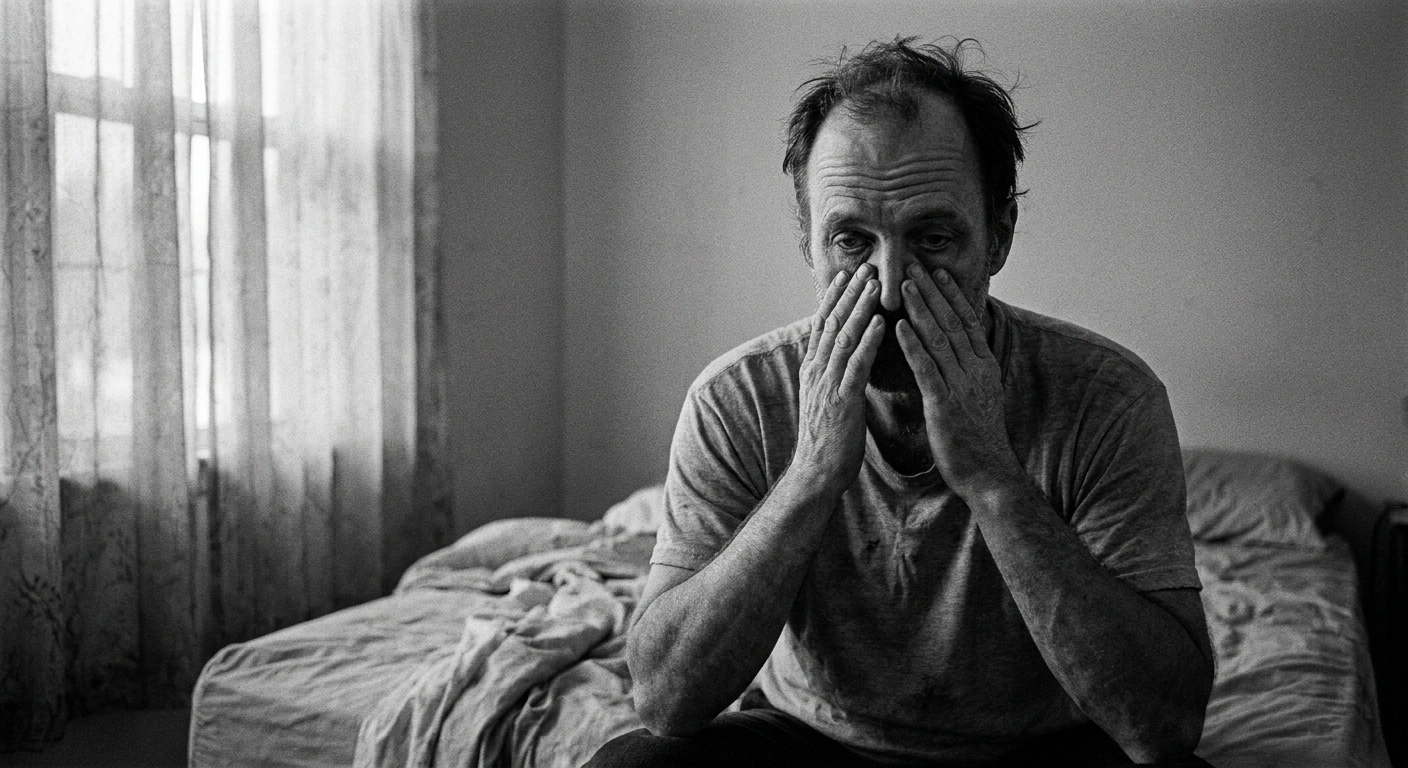
Men over 40 who snore are four times more likely to have obstructive sleep apnea than women the same age. A 2025 analysis in Respiratory Medicine put OSA prevalence at 30% in men aged 30 to 49 and 40% in men aged 50 to 70. The same research estimated 83.7 million U.S. adults live with the condition. The larger problem: most of them do not know it.
Sleep apnea does not feel like a sleep problem. It feels like fatigue that sleep does not fix, a mind that will not sharpen, a libido that dropped without obvious cause. Those are the symptoms men attribute to aging, stress, or low testosterone. In a meaningful portion of cases, the root cause is a breathing disorder that stops oxygen delivery dozens of times every night.
This guide is for men in their 40s and 50s who suspect their sleep is not doing its job, or who have been told they snore but have never pursued a formal evaluation. It covers the eight symptoms most likely to go unrecognized, the link between untreated OSA and low testosterone, and the specific thresholds that indicate you need a sleep study rather than another cup of coffee.
Contents
- Key Takeaways
- What Is Obstructive Sleep Apnea?
- Why Men Over 40 Are at Higher Risk
- 8 Sleep Apnea Symptoms Men Frequently Dismiss
- The Testosterone-Sleep Apnea Feedback Loop
- The Cardiovascular Stakes
- When to See a Doctor
- What to Expect from a Sleep Study
- Treatment Options
- FAQ
Key Takeaways
- Obstructive sleep apnea affects 30% to 40% of men over 40 and remains undiagnosed in the majority.
- Loud snoring alone is not sufficient for diagnosis, but snoring with pauses or gasping is a strong indicator.
- Men with severe OSA show significantly lower total testosterone than those without the condition, according to a meta-analysis of 24 studies.
- A neck circumference above 17 inches is an independent risk factor.
- Home sleep tests are now widely available and covered by most insurance when ordered by a physician.
- Untreated OSA raises cardiovascular risk, impairs cognitive function, and accelerates metabolic dysfunction in men.
What Is Obstructive Sleep Apnea?
Obstructive sleep apnea occurs when the muscles of the upper airway relax during sleep to the point where the throat collapses and blocks airflow. Breathing stops for 10 seconds or longer, oxygen saturation falls, the brain fires an arousal signal, muscles contract, airflow resumes, and the cycle repeats. In moderate to severe cases, this happens 15 to 30 or more times per hour.
The arousal signal rarely wakes you fully. Most men with OSA have no memory of the nighttime events. What registers instead is what the oxygen deprivation and sleep fragmentation produce over time: exhaustion, cognitive dullness, metabolic dysfunction, and hormonal disruption.
Three types exist: obstructive (mechanical blockage, the most common), central (the brain fails to send the correct breathing signals), and complex (both). Men over 40 deal almost exclusively with obstructive OSA.
Why Men Over 40 Are at Higher Risk
Several biological factors compound after 40. Upper airway muscle tone decreases with age. Testosterone itself, as it declines, reduces the drive to breathe through the upper airway muscles. Fat deposition shifts toward the neck and trunk, narrowing the airway.
Body weight is the single largest modifiable risk factor. A 10% increase in body weight raises the risk of developing moderate to severe OSA by roughly sixfold, according to the Sleep Heart Health Study. Men in their 40s and 50s who have gained weight gradually over the prior decade sit squarely in the high-risk zone.
Additional risk factors specific to men over 40:
- Neck circumference above 17 inches
- BMI above 30
- Alcohol use before bed (suppresses upper airway muscle tone)
- Sedative or muscle relaxant use
- Sleeping on the back
- Nasal congestion from allergies or deviated septum
Family history also matters. First-degree relatives of people with OSA have a two to four times higher risk of developing the condition themselves.
8 Sleep Apnea Symptoms Men Over 40 Frequently Dismiss
1. Snoring with Pauses or Gasps
Habitual loud snoring affects roughly 40% of adult men, and most of it is not sleep apnea. The symptom that separates OSA from simple snoring is what a bed partner witnesses: pauses in breathing lasting 10 seconds or more, followed by a loud gasp or snort. If you sleep alone, look for evidence on a phone recording app set to detect sound events during the night.
The Mayo Clinic identifies witnessed apneas as one of the two most clinically significant symptoms, alongside excessive daytime sleepiness.
2. Waking Unrefreshed Every Morning
Seven to nine hours in bed and still dragging at 9 AM. This is the experience most men with OSA describe. The issue is sleep architecture, not sleep duration. When breathing stops repeatedly, the brain is yanked out of deep sleep and REM sleep. The restorative stages never accumulate.
If you consistently feel worse on mornings after sleeping longer, that counterintuitive pattern points toward OSA rather than insomnia or simple poor sleep hygiene.
3. Morning Headaches
A pressing pain across both sides of the forehead that appears on waking and clears within a few hours is a recognized clinical marker of sleep apnea. The cause is elevated carbon dioxide in the blood and cerebral vasodilation from low oxygen levels during apnea events. These headaches do not respond predictably to ibuprofen. They disappear when the apnea is treated.
4. Excessive Daytime Sleepiness
Not ordinary tiredness. This is the involuntary urge to fall asleep during sedentary activities: reading, watching a film, or sitting in meetings. The Epworth Sleepiness Scale, a standard clinical tool, quantifies this. A score above 10 out of 24 warrants investigation. A score above 16 represents severe daytime impairment.
Men with untreated OSA have a two to three times higher rate of motor vehicle accidents compared to men without the condition, driven by microsleeps they are not aware of, according to the American Academy of Sleep Medicine.
5. Brain Fog and Memory Problems
Cognitive complaints are among the symptoms men most often attribute to aging or work stress. Difficulty retrieving words mid-sentence, forgetting conversations that happened that morning, and losing the ability to focus for more than 20 minutes are each associated with sleep-disordered breathing.
The mechanism involves impaired hippocampal consolidation during sleep and direct hypoxic damage to prefrontal structures. These effects accumulate over years of untreated OSA. Brain fog in men over 40 has multiple causes, but sleep apnea is the one that resolves with a specific treatment.
6. Nocturia (Frequent Nighttime Urination)
Most men who wake two or more times per night to urinate blame their prostate. In men with OSA, the actual driver is often the apnea events themselves. Each apnea episode causes a surge in atrial natriuretic peptide, a hormone that signals the kidneys to produce more urine — a mechanism documented in a review by the American Urological Association. Men who wake three times per night to urinate and have a full prostate workup that comes back normal should request a sleep study.
7. Reduced Libido and Erectile Dysfunction
A 2024 review in the American Journal of Managed Care confirmed an inverse relationship between OSA severity and serum testosterone. A meta-analysis covering 24 case-control studies found men with severe OSA had significantly lower total testosterone than controls. REM sleep is the primary window for nightly testosterone production. Repeated REM disruption depresses the testosterone signal.
The connection runs in both directions. CPAP therapy, the primary OSA treatment, has been shown to raise total testosterone independent of weight change. For men investigating signs of low testosterone, undiagnosed OSA is a treatable cause worth ruling out before starting hormone therapy.
Additionally, Johns Hopkins Medicine reports that nearly two-thirds of men seeking treatment for erectile dysfunction have concurrent obstructive sleep apnea.
8. Irritability and Low Mood
Sleep fragmentation alters emotional reactivity before it alters measured mood scores. Men with OSA report elevated irritability, shorter patience thresholds, and greater interpersonal conflict with family members. In clinical settings, OSA frequently presents as depression or anxiety, and the misdiagnosis delays effective treatment by years.
If you have started antidepressants for symptoms that include fatigue, low drive, and irritability and seen minimal improvement, ask your prescriber to order a sleep study.
The Testosterone-Sleep Apnea Feedback Loop
The relationship between OSA and testosterone is not one-directional. Low testosterone reduces upper airway muscle tone and respiratory drive, which increases susceptibility to airway collapse. OSA then suppresses testosterone production by fragmenting REM sleep and causing intermittent hypoxia. Each worsens the other.
A 2011 JAMA study demonstrated that one week of sleep restriction (five hours per night) reduced testosterone levels in healthy young men by 10% to 15%. That effect in men with OSA compounds across years of disrupted sleep. Men on testosterone replacement therapy should also know that TRT can worsen OSA in some patients by altering ventilatory control, which is why screening for OSA before starting TRT is standard practice at specialized endocrinology clinics.
CPAP therapy produces measurable testosterone improvement in hypogonadal men with OSA, particularly those with obesity. In one 2025 study published in JCEM, CPAP treatment raised total testosterone independent of BMI changes in men with severe OSA.
The Cardiovascular Stakes of Untreated OSA
Sleep apnea is not a quality-of-life inconvenience. The downstream consequences of untreated OSA include:
- Hypertension: OSA is the most common identifiable cause of secondary hypertension. Repetitive hypoxia activates the sympathetic nervous system, raising blood pressure even during waking hours.
- Atrial fibrillation: Men with severe OSA have a threefold higher risk of developing AFib compared to those without OSA.
- Type 2 diabetes: Intermittent hypoxia causes insulin resistance through oxidative stress pathways independent of body weight.
- Stroke: OSA is an independent risk factor for ischemic stroke, with the risk scaling with severity.
For men working through the health screenings every man should get after 40, OSA screening belongs alongside cholesterol panels and blood pressure checks.
Sleep Apnea Symptom Quiz
Self-Assessment
Do Your Symptoms Warrant a Sleep Study?
Answer these 6 questions about your sleep and daytime function. This is not a diagnosis — it helps you gauge whether a sleep study is worth pursuing.
Question 1 of 6
Has a bed partner ever told you that you stop breathing, gasp, or choke during sleep?
When to See a Doctor
Schedule an appointment rather than waiting for the next annual physical if you recognize any of these:
- A bed partner has witnessed you stop breathing during sleep
- You fall asleep involuntarily during the day in situations where you want to stay alert
- You wake with headaches more than twice per week
- You have high blood pressure that is not responding to medication
- You are investigating low testosterone or erectile dysfunction and your symptoms fit the profile above
- Your Epworth score is above 10
General practitioners can order a sleep study, but if your practice does not take sleep complaints seriously, a sleep medicine specialist or a pulmonologist with sleep medicine training will move faster and have more treatment options available.
Most major insurers cover a home sleep test when ordered by a physician for suspected OSA. The home test is sufficient for diagnosing moderate to severe OSA. Men with significant comorbidities or suspected central sleep apnea will be referred for an in-lab polysomnography.
What to Expect from a Sleep Study
Home Sleep Test
A home sleep test (HST) involves wearing a small device that monitors airflow, chest movement, blood oxygen, and heart rate. You pick it up from a pharmacy or sleep clinic, wear it for one night, and return it. Results arrive within a week. The test generates an Apnea-Hypopnea Index (AHI): the number of breathing events per hour of sleep.
- AHI below 5: Normal
- AHI 5 to 14: Mild OSA
- AHI 15 to 29: Moderate OSA
- AHI 30 or above: Severe OSA
In-Lab Polysomnography
A full sleep study in a clinic measures the same variables plus EEG (brainwave activity), eye movements, and leg muscle activity. It is the diagnostic gold standard, particularly when OSA is suspected alongside other sleep disorders.
Treatment Options That Work
CPAP Therapy
Continuous positive airway pressure is the first-line treatment for moderate to severe OSA. A machine delivers pressurized air through a mask, preventing airway collapse. Adherence is the limiting factor. Modern devices record nightly usage data, and insurance typically requires 70% compliance (four hours per night, five nights per week) for continued coverage.
The technology has improved considerably. Newer APAP (auto-adjusting) machines titrate pressure automatically throughout the night. Heated humidifiers eliminate the dryness that caused many men to abandon older devices.
Weight Loss
A 10% reduction in body weight reduces AHI by roughly 26%. For men with BMIs above 30, weight loss is both a prevention strategy and a meaningful adjunct to CPAP. It rarely eliminates OSA entirely in moderate to severe cases, but it often reduces severity enough to improve CPAP compliance.
Positional Therapy
Approximately 50% of OSA cases are position-dependent, with severity doubling when sleeping on the back. Devices designed to keep you sleeping on your side (specialized pillows, wearable position alarms) can reduce AHI significantly in positional OSA. This is a useful option for mild OSA before committing to CPAP.
Oral Appliances
A mandibular advancement device (MAD), fitted by a dentist trained in dental sleep medicine, repositions the lower jaw to maintain airway patency. Effective for mild to moderate OSA, particularly in men who cannot tolerate CPAP masks.
Surgery
Surgical options range from minimally invasive procedures (radiofrequency tissue reduction, palate implants) to more extensive airway reconstruction. The Inspire hypoglossal nerve stimulator, a surgically implanted device that detects breathing pauses and electrically stimulates the airway muscles, has strong outcomes data in men who cannot tolerate CPAP. It is not a first-line option but is increasingly covered by major insurers.
Improving Sleep Quality While Awaiting Diagnosis
Men awaiting a sleep study can apply evidence-based strategies that reduce airway instability. These are complements to treatment, not substitutes for diagnosis:
- Stop alcohol within three hours of bed. Alcohol relaxes upper airway muscles acutely and meaningfully worsens apnea events.
- Sleep on your side. A foam wedge pillow placed behind your back prevents rolling supine.
- Elevate the head of the bed by four inches. A modest incline reduces the gravitational pressure on the airway.
- Address nasal congestion. Oral antihistamines or nasal corticosteroid sprays increase nasal airflow and reduce oral breathing, which worsens apnea.
For a broader framework on sleep, the guide to improving sleep quality for men over 40 covers circadian rhythm anchoring, temperature management, and evidence-based supplementation. These tools do not treat OSA but they support the sleep stages that OSA disrupts.
Frequently Asked Questions
Can you have sleep apnea without snoring?
Yes. Central sleep apnea, which involves breathing pauses driven by the brain rather than airway obstruction, often occurs without loud snoring. Some men with positional OSA also snore minimally when sleeping on their side. Absence of snoring does not rule out a sleep-disordered breathing diagnosis.
How do I know if my fatigue is from sleep apnea or low testosterone?
The two conditions overlap and frequently coexist. The distinction matters because treating OSA sometimes resolves the low testosterone without hormone therapy. A practical sequence: get a sleep study first. If AHI is elevated, start CPAP and recheck testosterone after 90 days of consistent use. If testosterone remains low after OSA treatment, pursue a full hormone panel.
Does sleep apnea affect life expectancy?
Severe untreated OSA is associated with higher all-cause mortality. A major meta-analysis found men with severe OSA have a 2.5-fold higher risk of cardiovascular death than men without OSA. Consistent CPAP use reduces this risk substantially, with some studies showing cardiovascular outcomes approaching those of non-OSA populations.
Is a home sleep test accurate enough?
For men without significant comorbidities who present with the classic symptom profile, a home sleep test diagnoses moderate to severe OSA with accuracy comparable to an in-lab study. The home test underestimates AHI slightly because it measures recording time rather than actual sleep time. Men with suspected central OSA, severe COPD, or heart failure typically need an in-lab test.
Can losing weight cure sleep apnea?
Weight loss reduces OSA severity in proportion to the amount lost. Significant weight loss through bariatric surgery has resolved OSA in a substantial portion of patients in clinical trials. For men with BMIs below 35, lifestyle-driven weight loss typically reduces but does not eliminate moderate or severe OSA. Treatment continuation alongside weight loss produces the best outcomes.
Is sleep apnea hereditary?
Family history increases the risk two to four times, driven by heritable anatomical features including jaw structure, soft palate dimensions, and upper airway muscle characteristics. If a father or brother has OSA, formal screening is warranted even in the absence of classic symptoms.
The Bottom Line
Sleep apnea is common, underdiagnosed, and treatable. If you recognize two or more symptoms from this article, a home sleep test is the fastest path to an answer. The test is simple, covered by most insurers, and takes one night. Men who get diagnosed and consistently use CPAP report better energy, sharper cognition, improved erections, and measurably higher testosterone within 90 days. The barrier is not the treatment. The barrier is the conversation with a doctor that most men delay for years.
For a broader view of the health screenings men over 40 should prioritize alongside OSA evaluation, the essential health screenings guide covers the full checklist.
Consult your healthcare provider before making any changes to your health regimen. This article provides educational information only and does not constitute medical advice. Always work with a qualified physician for diagnosis and treatment of sleep disorders.
References
The sources this article links to, in the order they appear.
Keep reading
More from Health for men over 40.
Medical Disclaimer: This article is for informational purposes only and does not constitute medical advice. Always consult your healthcare provider before starting any new exercise, nutrition, or supplement program. Written and reviewed by The PrimeVital Desk.