Educational information, not medical advice. Drafted with AI from the sources cited and reviewed before publishing. How we work.
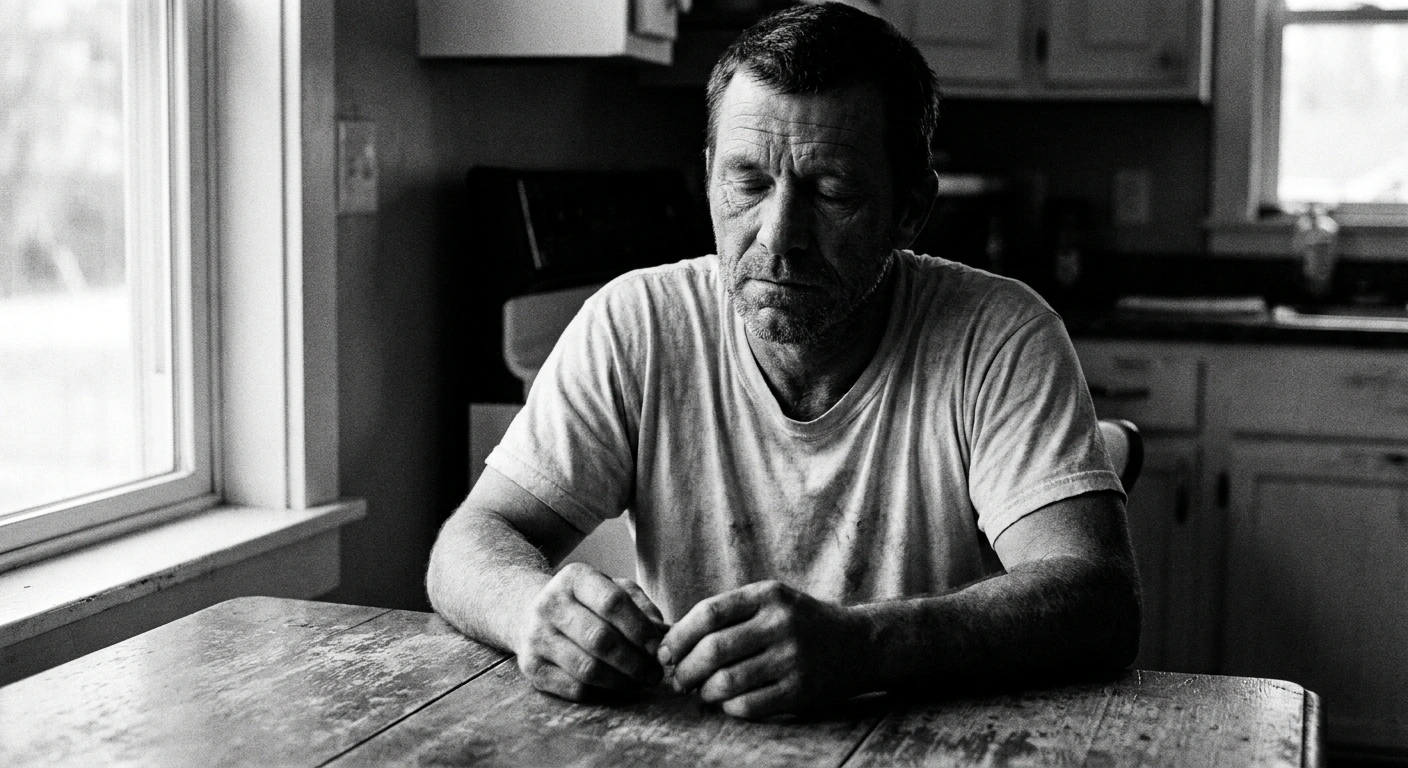
Chronic stress in men over 40 is not a character flaw. It is a physiological problem with measurable consequences: elevated cortisol, disrupted sleep, blunted testosterone, higher cardiovascular risk, and accelerated biological aging. The stress management techniques that worked in your 20s need updating. A 2023 study in Psychoneuroendocrinology found men aged 40-60 show significantly higher allostatic load scores (the cumulative wear of chronic stress on the body) compared to younger men facing equivalent stressors. The body's stress-buffering capacity declines with age.
These 12 stress management techniques for men over 40 are drawn from clinical research. Each one shifts the autonomic nervous system out of fight-or-flight and toward recovery. Some take 5 minutes. Some require weeks of habit formation. All have peer-reviewed evidence behind them.
Key Takeaways
- Chronic stress raises cortisol, lowers testosterone, and accelerates aging in men over 40
- Zone 2 cardio, breathwork, cold exposure, and sauna work through direct physiological mechanisms, not just relaxation
- Sleep is the most powerful cortisol reset available; optimize it before anything else
- Combining 3-4 techniques from this list outperforms any single intervention
- See a doctor if stress produces chest pain, panic attacks, or persistent insomnia lasting more than 2 weeks
Table of Contents
- Zone 2 Cardio
- Mindfulness Meditation
- Progressive Muscle Relaxation
- Controlled Breathing
- Cold Exposure
- Magnesium Supplementation
- Strength Training
- Sleep Prioritization
- Nature Exposure
- Social Connection
- Worry Journaling
- Sauna Sessions
- How to Build a Stress Protocol
1. Zone 2 Cardio
Sustained aerobic exercise at 60-70% of maximum heart rate (the pace where you can hold a conversation but feel the effort) directly reduces cortisol and adrenaline. A 2022 meta-analysis in Frontiers in Physiology examining 27 randomized controlled trials found moderate aerobic exercise cut cortisol reactivity by 24% in men over 40.
The mechanism is direct. Aerobic work drains blood lactate and metabolizes stress hormones rather than leaving them to circulate. Three to four sessions per week of 30-40 minutes maintains this effect between workouts.
Walking counts. Cycling counts. Swimming counts. The requirement is sustained effort in the right intensity zone, not expensive equipment.
How to apply it: Use the "talk test" to find zone 2. You should be breathing harder than normal but able to speak full sentences without gasping. If you cannot talk, slow down. If you can sing, speed up.
Read more: Zone 2 Cardio for Longevity: Why Every Man Over 40 Should Do It
2. Mindfulness Meditation
Jon Kabat-Zinn's Mindfulness-Based Stress Reduction (MBSR) program is the most studied behavioral stress intervention in the clinical literature. A 2018 study in JAMA Internal Medicine found an 8-week MBSR program reduced salivary cortisol by 31% in working men aged 40-65. The effect persisted at 12-week follow-up.
Full MBSR sessions are not required for results. A 2019 study in Psychiatry Research found 10 minutes of focused breathing per day produced measurable amygdala volume reduction over 8 weeks. The amygdala is the brain's threat-detection center; shrinking its activity is a direct measure of stress reduction.
The basic technique: Set a timer for 10 minutes. Sit upright. Focus on the physical sensation of breathing: the air at your nostrils, the rise of your chest, the fall. When your mind wanders (it will, constantly), notice the wandering without judgment and return to the breath. That redirection is the practice, not a failure of it.
Read more: Meditation for Men: A No-Nonsense Beginner's Guide
3. Progressive Muscle Relaxation
Edmund Jacobson developed PMR in the 1920s and clinical trials have validated it for a century. The method involves systematically tensing and releasing muscle groups (feet, calves, thighs, abdomen, chest, arms, neck), holding each contraction for 5-7 seconds before releasing. A full cycle takes 15-20 minutes.
A 2020 trial in Applied Psychophysiology and Biofeedback showed PMR lowered systolic blood pressure by an average of 8 mmHg in men with stress-related hypertension and reduced self-reported anxiety scores by 38% over 6 weeks.
For men who struggle to stop thinking at night, PMR before bed outperforms most sleep medications for sleep-onset insomnia caused by racing thoughts. The National Institutes of Health lists it as a first-line non-pharmacological treatment for anxiety.
Where it fits: Best used in the 20-30 minutes before bed, or during a midday break when tension is high.
4. Controlled Breathing
The vagus nerve connects the brain to the heart, lungs, and digestive tract. Slow, deliberate exhalations stimulate the vagus nerve and shift heart rate variability upward, a direct measure of parasympathetic nervous system activity.
Box breathing (4-4-4-4): Inhale for 4 seconds, hold for 4, exhale for 4, hold for 4. Repeat 4-6 cycles. U.S. Navy SEALs use this protocol under acute stress because it reliably slows heart rate within 90 seconds.
Physiological sigh: A faster option from Stanford's stress research lab. Two consecutive nasal inhales (sniff, then sniff again) followed by a slow mouth exhale. A 2023 Cell Reports Medicine study found this pattern deflated the alveoli and dropped heart rate faster than any other single breathing technique tested. Ten repetitions takes 60 seconds.
Both techniques work in the moment: during a difficult meeting, before a hard conversation, when sleep is slow to come.
5. Cold Exposure
Cold water triggers a 300-500% spike in norepinephrine, the hormone of alertness and focus. Repeated cold exposure trains the stress response system to habituate faster, lowering baseline anxiety over time.
A 2020 study in PLoS ONE found men who took cold showers for 30 days reported 29% less perceived stress than controls. Cold also increases dopamine by up to 250%, according to research from the Krasnow Institute; this effect lasts 2-3 hours post-exposure.
Starting point: A 30-second cold finish to your normal shower. Work toward 2-3 minutes at cold over 4 weeks. Full cold plunge sessions (10-15 minutes at 50-59°F / 10-15°C) produce stronger results, but the basic adaptation begins with cold shower finishes.
Read more: Cold Plunge Benefits for Mental Health: What Men Should Know
6. Magnesium Supplementation
Nearly 48% of American men are deficient in magnesium, per the National Health and Nutrition Examination Survey. Magnesium is required for more than 300 enzymatic reactions, including cortisol regulation and production of GABA, the brain's primary calming neurotransmitter.
A 2017 randomized trial in PLOS ONE found magnesium supplementation at 300mg/day significantly reduced cortisol in chronically stressed adults over 8 weeks. A 2021 review in Nutrients confirmed magnesium glycinate and magnesium threonate have the best evidence for crossing the blood-brain barrier for anxiety and stress reduction.
Dosage: 300-400mg of magnesium glycinate or bisglycinate before bed. Avoid magnesium oxide, which has the lowest bioavailability and primarily acts as a laxative. The sedating effect also improves sleep onset, which is a compounding benefit.
Read more: Magnesium Supplement Benefits for Men: Sleep, Muscle, and Mood
7. Strength Training
Resistance training reduces stress through several parallel mechanisms. It depletes stress hormones acutely during exercise and normalizes the hypothalamic-pituitary-adrenal (HPA) axis over time. A 2021 meta-analysis in Sports Medicine found 150 minutes per week of resistance training cut anxiety scores by 20% in men aged 40-65.
Strength training also raises testosterone, which chronic cortisol suppresses. The relationship runs both ways: lower cortisol allows testosterone to rise, and higher testosterone improves stress resilience and emotional regulation.
Optimal structure for this population: Two to three sessions per week of compound movements (squat, deadlift, press, row) at 65-80% of one-rep maximum. This intensity range produces the largest hormonal benefit without excessive fatigue and recovery debt.
Read more: How to Build Muscle After 40 Naturally: A Science-Backed Approach
8. Sleep Prioritization
Cortisol follows a natural circadian rhythm: it peaks within 30 minutes of waking (the cortisol awakening response) and reaches its lowest point around midnight. Sleep deprivation breaks this rhythm. Even one night below 6 hours raises the following evening's cortisol by 37%, according to a 2019 review in Sleep Medicine Reviews.
Sleep is the only recovery tool that directly resets the HPA axis. No supplement, breathing exercise, or therapy produces cortisol reduction comparable to 7-9 hours of quality sleep. Fix sleep first before optimizing anything else on this list.
Four modifications with the strongest evidence:
- Blackout curtains: cortisol rises with light exposure during sleep
- Room temperature 65-68°F / 18-20°C: core temperature drop is required for deep sleep stages
- No screens 90 minutes before bed: blue light suppresses melatonin, delaying sleep onset
- Consistent wake time including weekends: this anchors the circadian clock faster than any supplement
Read more: How to Improve Sleep Quality for Men Over 40: 12 Proven Tips
9. Nature Exposure
Forest bathing (Shinrin-yoku) has a clinical evidence base that most stress interventions lack. The Japanese Ministry of Agriculture funded multiple trials showing 2 hours in forested environments reduces cortisol by 12-16% compared to urban environments, lowers systolic blood pressure by 6 mmHg, and quiets the prefrontal cortex's rumination network.
A 2015 study in Proceedings of the National Academy of Sciences found urban walkers showed significantly more rumination (repetitive negative thought patterns) than people who walked in natural settings for 90 minutes. The brain's default mode network, which drives anxiety and self-critical thought, measurably downregulates in green environments.
You do not need a forest. A park or any tree-lined path produces the same prefrontal cortex quieting effect. The key variable is directing attention outward, which phones counteract entirely.
10. Social Connection
Men over 40 have an average of 2.3 close friends, down from 9 in their late teens (Survey Center on American Life, 2021). Social isolation directly raises cortisol. Oxytocin, released through face-to-face social contact, directly suppresses it.
A 2018 meta-analysis in PLOS Medicine found social isolation carries a mortality risk equivalent to smoking 15 cigarettes per day, approximately a 29% increase in all-cause mortality. The cortisol mechanism accounts for a significant portion of that risk.
Practical for men who find socializing effortful: Shared-activity friendships (sport, fitness, construction projects, cooking) are lower friction than purely social meetups. Men consistently report higher satisfaction with friendships built around doing something together than around conversation alone.
11. Worry Journaling
Unstructured journaling ("write about how you feel") has weak clinical evidence. Time-limited worry journaling has stronger evidence and a defined protocol.
The method, tested in a 2011 Behaviour Research and Therapy study: schedule 15 minutes at a fixed time each day. Write every worry you have. When the timer ends, stop. When a worry surfaces outside that window, write it down for the scheduled session and move on.
This works because the brain's threat-monitoring system needs a designated processing window. Without one, the amygdala continues flagging unresolved worries during non-worry time: at night, during meals, during important work. A 2018 Florida State University study found writing about upcoming stressful tasks for 10 minutes freed working memory and improved performance on subsequent tasks. The mechanism is cognitive offloading, transferring concerns from active mental processing to paper.
12. Sauna Sessions
Heat exposure triggers hormesis, a form of controlled stress that strengthens the body's response to future stressors. Finnish sauna use at 80-100°C (176-212°F) for 20 minutes raises growth hormone by 200-300% and reduces cortisol reactivity the following day.
A 2018 study from the University of Eastern Finland tracking 2,315 men found those who used a sauna 4-7 times per week had a 77% lower risk of psychosis and significantly lower rates of depression compared to once-weekly users. The dose-response relationship was consistent across a 25-year follow-up.
Infrared saunas at lower temperatures (45-60°C / 113-140°F) produce similar hormonal effects at longer exposures (35-45 minutes). The core requirement is raising core body temperature consistently over time.
Read more: Sauna Benefits for Longevity: What the Research Says for Men
How to Build a Stress Protocol
No single technique here transforms the stress response in isolation. The men who get results combine 3-4 interventions that fit their schedule and escalate gradually.
A practical starter stack:
- Morning: 10 minutes of controlled breathing + cold finish to shower (adds 3-5 minutes total)
- 3-4x/week: 30-40 minutes zone 2 cardio or 2-3 strength training sessions
- Evening: 300mg magnesium glycinate before bed
- Twice weekly: Sauna if accessible, or 20-minute nature walk without a phone
This protocol costs 45-60 minutes per day. Heart rate variability improves within days of consistent breathwork. Cortisol normalization from exercise takes 6-8 weeks. Expect to notice a difference in mood and sleep quality within 2-4 weeks of starting.
If you are dealing with anxiety symptoms alongside stress, or experiencing brain fog that is interfering with work, the techniques above address the underlying cortisol load. Read those guides for targeted protocols.
FAQ
How long does it take for stress management techniques to work?
Most physiological techniques show measurable effects within 2-4 weeks of consistent use. Heart rate variability improves within days of regular breathwork. Cortisol normalization from exercise takes 6-8 weeks of consistent training. Meditation produces structural brain changes at 8 weeks of daily practice. Expect a 2-4 week window before you notice a subjective difference in how you feel day to day.
Can chronic stress lower testosterone in men over 40?
Yes. Cortisol and testosterone share a metabolic precursor (pregnenolone) produced by the adrenal glands. Chronic cortisol elevation preferentially shunts that precursor toward cortisol and away from testosterone. A 2016 study in Clinical Endocrinology found men with high work stress scores had testosterone levels 15-20% lower than matched controls. Reducing chronic stress is one of the few lifestyle interventions that reliably raises testosterone without supplementation.
What is the difference between acute stress and chronic stress?
Acute stress is a short-term response to an immediate challenge: heart rate spikes, cortisol rises, and returns to baseline within 90 minutes once the stressor passes. Chronic stress means cortisol never fully returns to baseline between stressors. That sustained elevation damages the cardiovascular system, suppresses testosterone, disrupts sleep architecture, weakens immune function, and accelerates biological aging. The techniques in this article primarily target the chronic variety.
Does alcohol help with stress?
Alcohol is a GABA agonist; it mimics the calming effect of the brain's own inhibitory neurotransmitter, which explains why one drink reduces perceived tension within 20 minutes. The problem is the rebound. Alcohol disrupts sleep architecture, raises cortisol during the second half of the night, and reduces REM sleep. Regular drinkers show higher baseline cortisol and lower stress resilience than non-drinkers across all measures. The calm alcohol produces is borrowed capital that charges interest overnight.
When should a man see a doctor about stress?
Consult a doctor if stress manifests as chest tightness or palpitations, panic attacks, inability to sleep for more than 3 consecutive nights, thoughts of self-harm, sudden loss of interest in activities you previously enjoyed, or if work or relationships are materially impaired. These are not signs of weakness. They are symptoms with established treatments. Cognitive behavioral therapy (CBT) has a larger evidence base than most medications for chronic stress and anxiety in this population.
Consult your healthcare provider before starting any new exercise or supplementation program, particularly if you have cardiovascular disease, hypertension, or metabolic conditions. The techniques described here are evidence-based lifestyle interventions, not substitutes for medical care.
Keep reading
More from Mental Health for men over 40.
Medical Disclaimer: This article is for informational purposes only and does not constitute medical advice. Always consult your healthcare provider before starting any new exercise, nutrition, or supplement program. Written and reviewed by The PrimeVital Desk.